







Search Results for: fully washed process
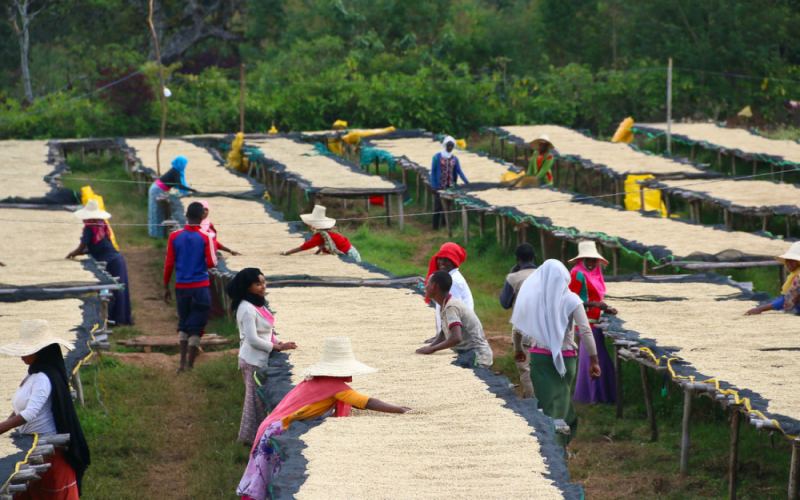
Washed Processing Method Fully Explained: Step-by-Step Flow from Harvest and Fermentation to Drying, and Flavor Characteristics
The washed processing method is one of the most common processing methods in the specialty coffee field. It relies on specialized equipment and an abundant water supply, and through multiple steps removes the coffee fruit's skin, pulp, and mucilage layer by layer, ultimately producing green coffee beans with stable quality and very few off-flavors. This process is especially widespread in producing countries in Central and South America, and when handled properly, it can highlight the varietal characteristics of the beans themselves and the terroir of the producing region to the greatest extent. This article will follow the sequence of harvesting, flotation, depulping, fermentation, washing, drying, and hulling/grading to break down the operational details of the washed method step by step, and explain the clarity, acidity, and aroma profile that washed coffee presents in the cup. At the same time, combined with Front Street Coffee's cupping experience and daily-drinker bean selection, it will help beginners build a correct understanding of washed beans. [more…]

Yirgacheffe's Two Processing Methods Explained: How Washed and Natural Shape Classic Flavors
Yirgacheffe, as Ethiopia's most renowned specialty coffee region, produces two dramatically different flavor profiles through its washed and natural processing methods. Washed processing brings bright acidity and white floral notes, while natural processing presents intense berry flavors and fermented sweetness. Front Street Coffee uses the Gotingding Cooperative's washed beans and the Red Cherry Project's natural beans as examples to explain in detail the process flow, quality control, and brewing performance of both processing methods, guiding you to a deeper understanding of the flavor logic behind Yirgacheffe's processing methods and the quality innovation significance of the Red Cherry Project. [more…]
Comparison of Yirgacheffe Natural and Washed Processing Methods: Flavor Analysis of Gutinguting Cooperative and Red Cherry Project Coffee Beans
Yirgacheffe is Ethiopia's most recognizable specialty coffee region, captivating countless coffee lovers with its bright acidity and delicate floral and fruity flavors. This article begins with the region's history, tracing the process by which Yirgacheffe became independent from Sidama, and offers an in-depth introduction to the independent background of the Gedeb Cooperative and its washed processing methods. It also explains in detail the origins, operational methods, and quality standards of the Red Cherry Project, comparing the differences between Front Street Yirgacheffe Red Cherry coffee beans and Front Street Yirgacheffe Konga coffee beans in terms of brewing parameters and flavor performance, helping readers gain a comprehensive understanding of how the two processing methods—natural and washed—are specifically expressed in the Yirgacheffe region. [more…]
An In-Depth Analysis of Kenyan AA Fully Washed Coffee Beans: From Farm Management to Cup Flavor
Kenya AA is widely recognized as a benchmark single-origin coffee in the specialty coffee world, conquering countless coffee lovers with its bright acidity, full body, and unique fruity and winey notes. This article systematically reviews Kenya AA's producing region background, grading standards, processing techniques, and flavor characteristics, from field management to hand-picking, and then to scientific washing and natural drying, fully presenting the birth process of a high-quality coffee bean. At the same time, drawing on Sweet Marias' origin observations, it analyzes the impact of Kenya's auction system on quality, and recommends the Kenya AA Fully Washed coffee beans produced by the Front Street Coffee brand, leading you to a comprehensive understanding of this representative work of African specialty coffee. [more…]
Kenya AA Fully Washed Coffee Bean Flavor Analysis: A Comprehensive Tasting Guide from Origin to Cup
Kenya AA has long been regarded by coffee industry insiders as a favorite. It encompasses almost all the qualities a great cup of coffee should have: captivating aroma, balanced acidity, plump beans, and outstanding fruity flavors. This article will systematically explain the flavor characteristics of fully washed Kenya AA coffee beans, from the origin background, field management, and washing process to cupping performance. Whether you are a newcomer just getting into specialty coffee or a seasoned connoisseur looking for new beans, you can gain practical tasting references from it. In this article, Front Street Coffee will also recommend Kenya AA products worth trying. [more…]
Yirgacheffe Washed Bean Flavor Analysis: A Practical Guide to Hand-Brewing Water Temperature and Coffee-to-Water Ratio for the Gotiti Cooperative
Yirgacheffe is one of Ethiopia's most recognizable coffee regions, and its washed beans are known for bright acidity and white floral aromas. Starting from Front Street Coffee's bean list, this article reviews the evolution of the Yirgacheffe region, the independent journey of the Gudingding Cooperative and the washed processing workflow, and also introduces the origins of the Red Cherry Project and its cupping standards. It also includes brewing parameters and flavor descriptions for two natural beans from Front Street Coffee, Yirgacheffe Red Cherry and Konga, offering pour-over enthusiasts reference water temperatures, coffee-to-water ratios, and extraction techniques. [more…]
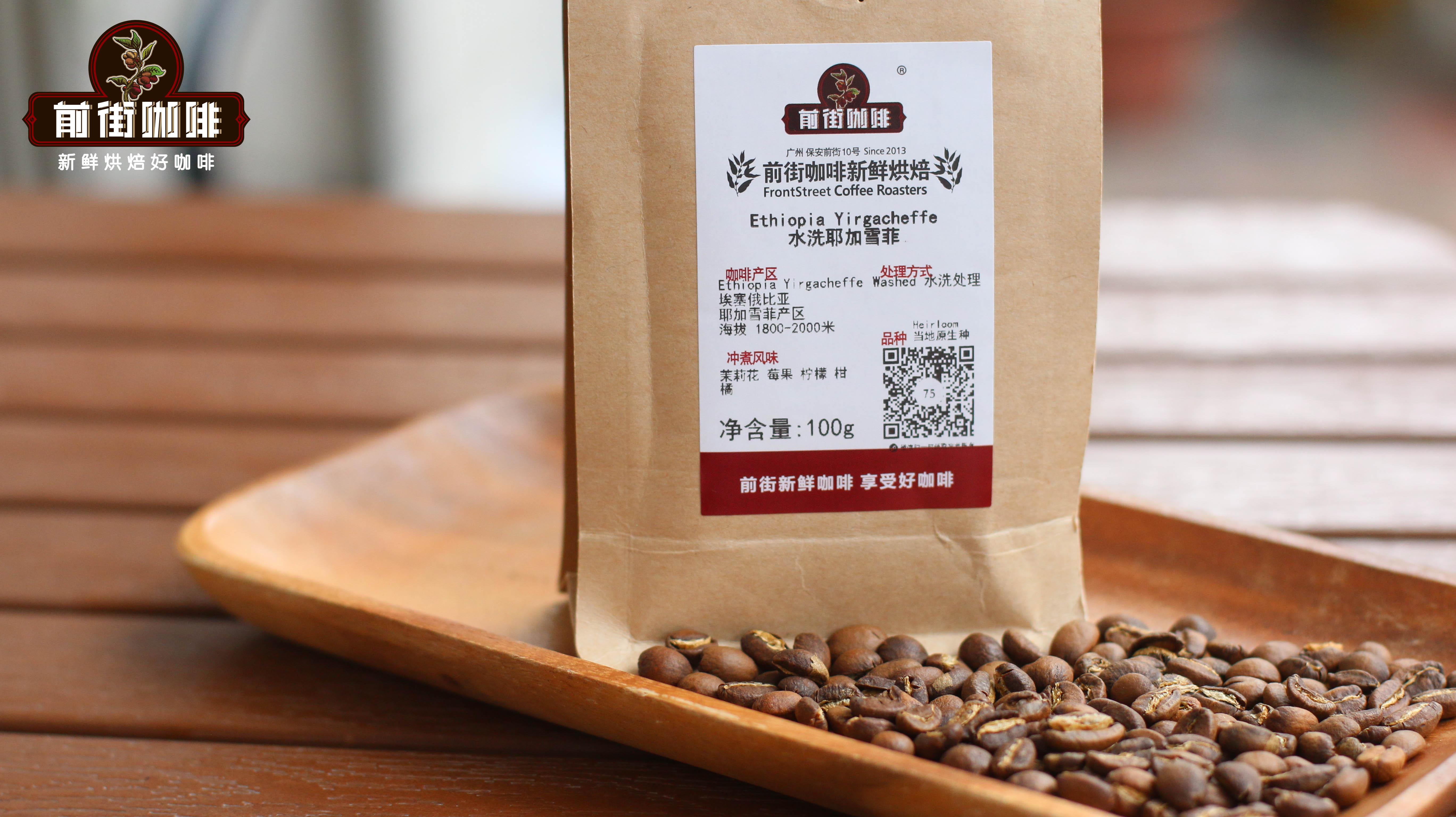
Yirgacheffe Natural vs. Washed: How to Choose? A Full Guide to G1 Grade Flavor, Mouthfeel, and the Red Cherry Project
Yirgacheffe is one of Ethiopia's most renowned coffee regions, and its natural and washed processing methods present completely different flavor profiles. Starting from Front Street Coffee's bean list, this article outlines the regional background of Yirgacheffe, the washed processing technique of the Gedeb cooperative, and the story behind the Red Cherry Project, and compares the cupping performance and brewing parameters of two G1 beans—Front Street Yirgacheffe Red Cherry (natural) and Front Street Yirgacheffe Konga (natural)—to help coffee enthusiasts understand how to choose between natural and washed coffees based on their taste preferences. [more…]
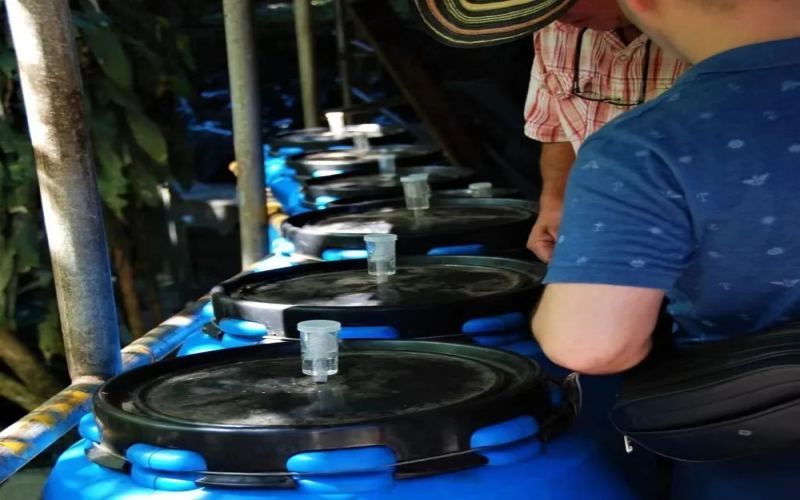
In-Depth Analysis of the Enzyme Washed Processing Method: From Anaerobic Fermentation to Rose Valley Flavor
In recent years, the coffee industry has seen the emergence of numerous innovative processing techniques, including anaerobic fermentation, enzyme addition, and carbon dioxide maceration, which have gradually secured a place in the specialty coffee sector. This article focuses on the enzyme-washed processing method, which has polarized opinions since its introduction. Now, Front Street Coffee will re-examine the unique aspects of this technique. Using the Rose Valley from Colombia's Big Tree Estate as a typical case, the article provides a detailed breakdown of the operational procedures and principles of anaerobic double enzyme washing, while also introducing the characteristics of the Caturra variety. It includes Front Street Coffee's roasting curve and brewing parameters, and finally offers a flavor description of this bean, helping coffee enthusiasts fully understand the origins, development, and tasting key points of this processing method. [more…]
Yirgacheffe Flavor Characteristics and Suitable Drinker Analysis, Complete Guide to Washed and Natural Brewing Techniques
Yirgacheffe is Ethiopia's most iconic specialty coffee region, renowned worldwide for its bright acidity and rich floral aromas. This article will begin with the region's history, geographical environment, and processing method differences, providing a detailed analysis of the flavor characteristics of washed and natural Yirgacheffe, along with pour-over parameter recommendations for different roast levels and processing methods. It will also introduce the background of the Konga Cooperative and the Red Cherry Project, as well as the brewing approaches for two classic Yirgacheffe coffees in Front Street Coffee's bean lineup, helping coffee enthusiasts find the cup of Yirgacheffe that suits them best. [more…]

Yirgacheffe Aricha Specialty Coffee Beans: Washed and Natural Processing, Regional Development, and Front Street Brewing Guide Analysis
Yirgacheffe Adola is one of the representatives of Ethiopian specialty coffee, and its outstanding taste is inseparable from its exquisite washed processing. Since the 1970s, this region has been famous for washed beans, and Front Street's Gutingding is one of its high-grade representatives. This article will provide a complete analysis of the six major steps of the washed processing method, from flotation, depulping, fermentation and demucilage to sun drying and storage, and introduce the rise of sun-dried Yirgacheffe in recent years, such as the improved details of Front Street's Sun-Dried Red Cherry. At the same time, it shares Front Street's recommended grind size, water temperature, coffee-to-water ratio, and staged pouring technique to help you fully bring out this bean's floral and fruity aroma and bright acidity. [more…]
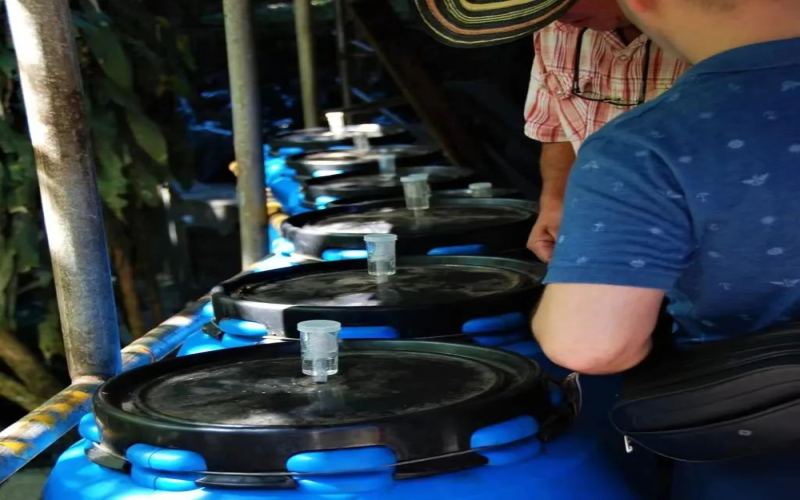
Coffee Enzyme Washed | What Is the Enzyme Washed Coffee Processing Method? How Does the Enzyme Washed Process Work? An Introduction to the Flavor and Taste Characteristics of Colombia Rose Valley Coffee
In recent years, there have been more and more innovative coffee processing methods, and new types of processing such as anaerobic processing, enzyme processing, and carbon dioxide maceration processing have begun to carve out a small niche for themselves. The enzyme-washed processing method that this article will introduce was met with mixed reviews when it first appeared, and now, years later, Front Street will take everyone back to observe this [more…]
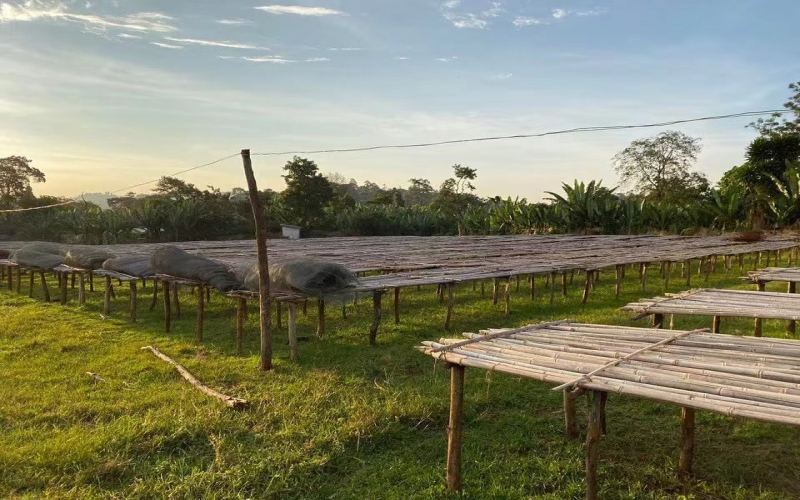
Detailed Comparison of Natural and Washed Processing Methods for Yirgacheffe: Flavor and Mouthfeel Contrast, with a Front Street Coffee Worka Red Cherry Recommendation
The Yirgacheffe region in Ethiopia is synonymous with specialty coffee, and the two processing methods—washed and natural—give coffee beans截然不同的 flavor profiles. Washed Yirgacheffe is known for its clean, fresh character and bright acidity, while natural Yirgacheffe stands out with its juicy body and pronounced sweetness. This article starts with Front Street Coffee's Worka Cooperative washed beans and Red Cherry natural beans, offering a detailed analysis of the process flows, flavor differences, and roasting and brewing recommendations for both processing methods, helping coffee enthusiasts gain a comprehensive understanding of Yirgacheffe's allure. [more…]
A Complete Guide to Coffee Processing Methods: The Craft Differences and Flavor Comparison of Washed, Natural, and Honey Processing
Coffee bean processing is not simply washing, drying, or adding honey, but a set of refined procedures designed to remove the skin, pulp, and mucilage of the berry while preserving the quality of the coffee bean as much as possible so that it can be stored long term. Washed, natural, and honey processing, as the three mainstream methods, show significant differences in steps, green bean appearance, roasted bean characteristics, and final cupping flavor. This article will systematically sort out the specific operations of these three processing methods, teach you how to distinguish them by green bean color, roasted bean center line, and flavor performance, and include a selected bean list recommendation from Front Street brand to help you find the cup you like. [more…]
Analysis of the Differences Between Natural and Washed Processing Methods for Yirgacheffe, with a Discussion of the Red Cherry Project
Yirgacheffe is one of the most recognizable coffee regions in Ethiopia, and the flavor differences brought about by its two processing methods—natural and washed—have long been a hot topic among coffee enthusiasts. In Front Street Coffee's bean list, the Ethiopian region has always occupied an important position. From the Gotiti Cooperative to the Red Cherry Project, each bean carries a unique story of terroir. This article will systematically sort out the development of the Yirgacheffe region, deeply compare the process characteristics and flavor performance of natural and washed processing methods, and at the same time explain in detail the origin and operation of the Red Cherry Project. Using the two beans Red Cherry and Konga as examples, it will also share Front Street Coffee's brewing parameters and tasting experience. [more…]

Guide to Buying Single-Origin Coffee Beans for Pour-Over: Seven Flavor Type Recommendations and a Full Analysis of Front Street's Product Line
As the community of pour-over coffee enthusiasts continues to grow, many people are at a loss when faced with the dazzling array of single-origin beans on the market. So-called single-origin beans come from the same producing region—which may be a single estate, a cooperative, or multiple estates or cooperatives within the same origin. Front Street Coffee categorizes currently popular single-origin beans into seven major types by flavor: fruity, floral, prominently fermented, prominently sweet, well-balanced, high-body, and nutty-cocoa. This article introduces representative bean varieties type by type, covering Yirgacheffe, Geisha, Costa Rica honey process, Blue Mountain, Mandheling, Brazil Queen Estate, and more, along with each bean's origin information, cupping flavor notes, and Front Street roasting curve recommendations, so coffee lovers can make precise purchases according to their taste preferences. [more…]
A Complete Guide to Kenya K72 Washed Processing: SL28 and Other Variety Distribution, Flavor Characteristics, and Brewing Guide
Kenyan coffee is famous in the specialty coffee world for its bright, clean acidity. Its iconic K72 washed processing method, together with varieties such as SL28 and SL34, creates its unique flavor. From the perspective of Front Street Coffee, this article systematically reviews the complete process of Kenyan-style 72-hour fermentation washing, analyzes the origins and characteristics of major varieties such as SL28, SL34, Ruiru11, and Batian, introduces Kenya's coffee growing conditions and grading system, and includes the roasting curves and brewing parameters for two Front Street beans, Kenya Asaliya and Sasini PB, to help coffee lovers fully understand the flavor code of Kenyan coffee. [more…]
A Complete Guide to Coffee Enzyme Washed Processing: Anaerobic Fermentation Principles, Caturra Variety Characteristics, and Rose Valley Flavor
In the world of specialty coffee, innovative processing techniques are emerging one after another, with methods such as anaerobic fermentation, enzyme-assisted processing, and carbonic maceration gradually coming to the fore. This article focuses on anaerobic enzyme washed processing, a rather controversial method, analyzing it step by step—from the principles of fermentation, to the classic practice at Colombia's Finca El Diviso, to the botanical characteristics of the Caturra variety, and finally to Front Street Coffee's roasting and brewing approach. Through the representative product Rose Valley, readers can understand how double anaerobic enzyme washed processing affects coffee's acidity, sweetness, and overall flavor balance, and why it delivers a juice-like mouthfeel. [more…]
Exploring Ethiopia's Santawini Processing Station: Flavor and Craft Analysis of Red Cherry Washed Coffee Beans
Santa Vini processing station is located in the Sidama region of Ethiopia. Since its establishment in 2004, it has become one of the representative processing plants under DWD Company, thanks to its high altitude and meticulous washed processing. This batch of Front Street washed Sidama comes precisely from here, using fully red cherries picked in the mid-to-late harvest season, undergoing nighttime fermentation and African raised-bed drying, presenting lemon sweetness, floral notes, and a peach juice-like quality. This article will guide you through the geographical background of this processing station, harvesting standards, washed process, and the unique flavor profile of this coffee. [more…]
Ethiopia Red Cherry Project Wateema Washed Beans: A Complete Analysis of Flavor, Region, and Processing Method
Operation Cherrie Red is a quality improvement project initiated by the Dutch company Trabocca, aimed at incentivizing smallholder farmers in Ethiopia to produce high-quality coffee. This article focuses on the Wottuna Boltuma washed beans from Front Street Coffee's Ethiopian Operation Cherrie Red, providing a detailed introduction to the program's operating model, stringent selection criteria, regional characteristics, and cup flavor profile. From hand-picking fully ripe red cherries to requiring a cupping score of 88 or above for selection, Operation Cherrie Red returns all profits to participating farms. These washed beans originate from the Sidama region, are grown by 260 smallholder farmers at an elevation of 1,900 meters, and the volcanic clay soil nurtures jasmine and rose aromas, black tea and bergamot sweetness, and a clean mouthfeel, making them well worth exploring for coffee enthusiasts. [more…]

Yirgacheffe Konga Cooperative Region Full Guide: The Flavor Code of Heirloom Washed Processing
Yirgacheffe is a signature region for specialty coffee in Ethiopia, and the Konga Cooperative is one of its most representative producer organizations. This article systematically reviews the coffee characteristics of the Konga Cooperative, from the region's background and the cooperative's operating model to its washed processing method and the flavors it delivers in the cup. Front Street Coffee's Konga Heirloom is made from fully red cherries and washed processed, revealing layers of jasmine florals, citric acidity, and the sweet aroma of peach and almond—like a hundred flowers blooming on the first sip. Whether you are new to single-origin coffee or a seasoned enthusiast looking for an everyday staple, this article will help you understand the full story behind this bean. [more…]